
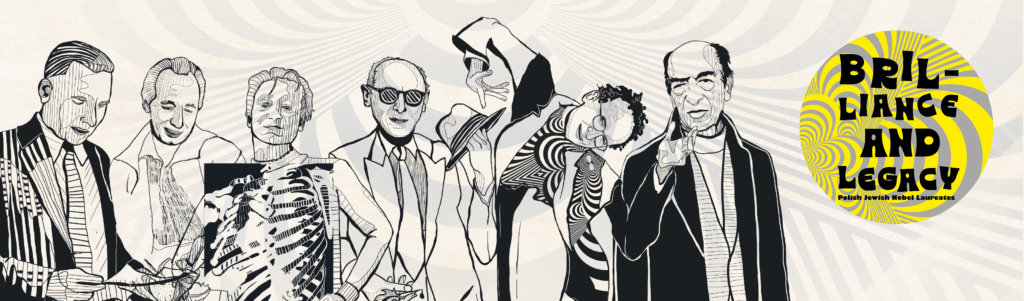
While some Polish Nobel laureates, such as Maria Skłodowska-Curie (Physics & chemistry), Henryk Sienkiewicz, Władysław Reymont, Czesław Miłosz, Wisława Szymborska, Olga Tokarczuk (literature), and Lech Wałęsa (peace), are household names, there are many more exceptional Nobel Prize laureates who rose from the Polish-Jewish heritage.
This exhibition seeks to shine a much-deserved light on these remarkable individuals and their extraordinary accomplishments. Dr. Izabela Jurczyk, a lecturer at the Academy of Fine Arts in Łódź, is responsible for the curation, visual identification, and production of the exhibition.
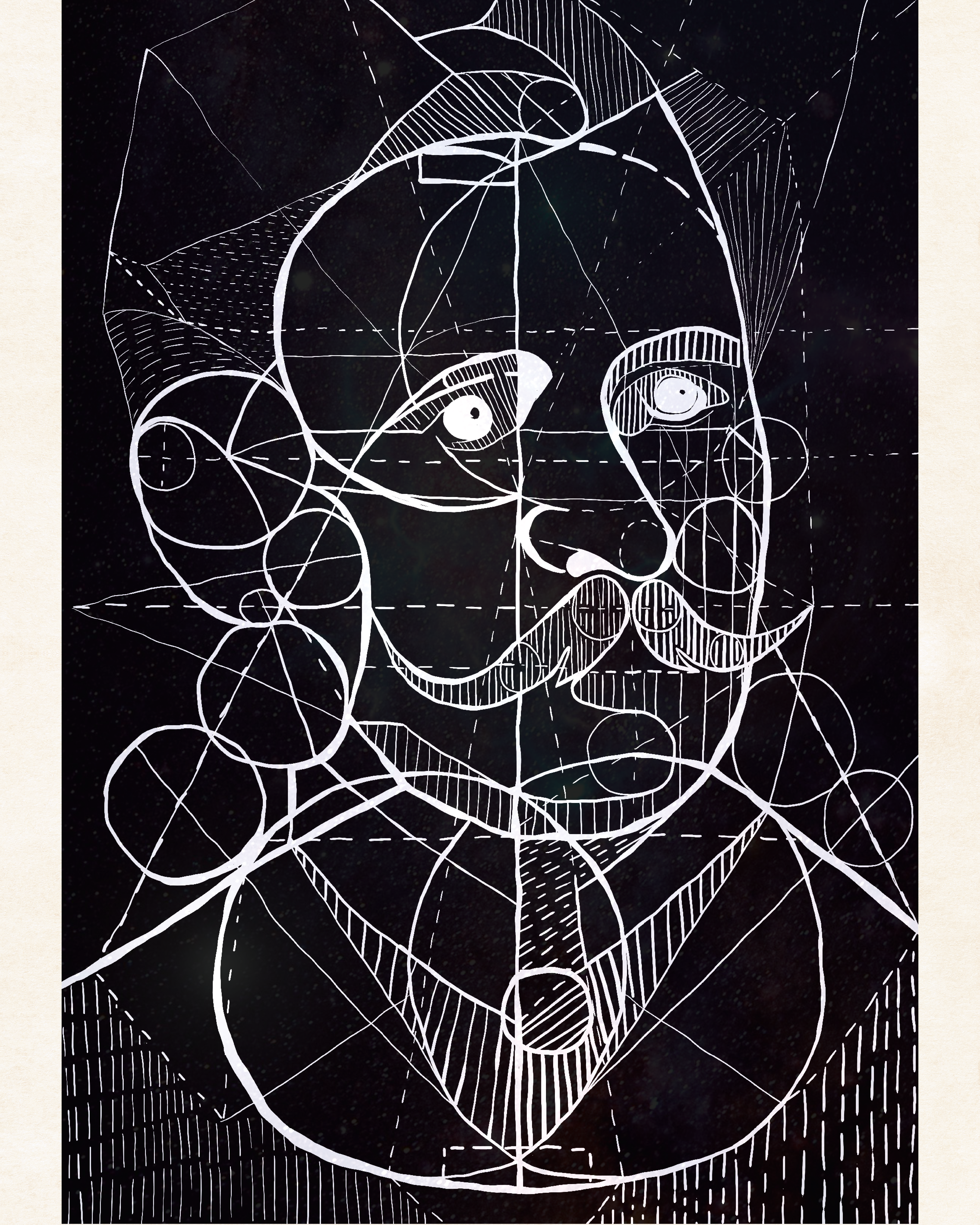
The exhibit will feature twelve evocative illustrations by Marta Chrobak, which bring to life the inspiring stories of these individuals. Through a series of innovative visual installations, the illustrations will guide you through the lives and work of the Nobel winners, exploring their contributions to science, art, politics, and economics.
The exhibition’s design incorporates a variety of media—including paper, fabric, and synthetic materials—to create a multi-layered, immersive experience. This creative approach invites viewers to engage with the stories of these figures not only through their intellectual and artistic triumphs but also by connecting with their passions, cultural backgrounds, and the diverse environments in which they lived and worked.
Friday, February 13, 2026, 5:30PM
Marek Maria Pieńkowski Foundation
7417 Kingston Pike,
Knoxville, TN 37919
Opening reception with wine and hors d’oeuvres
Please RSVP:
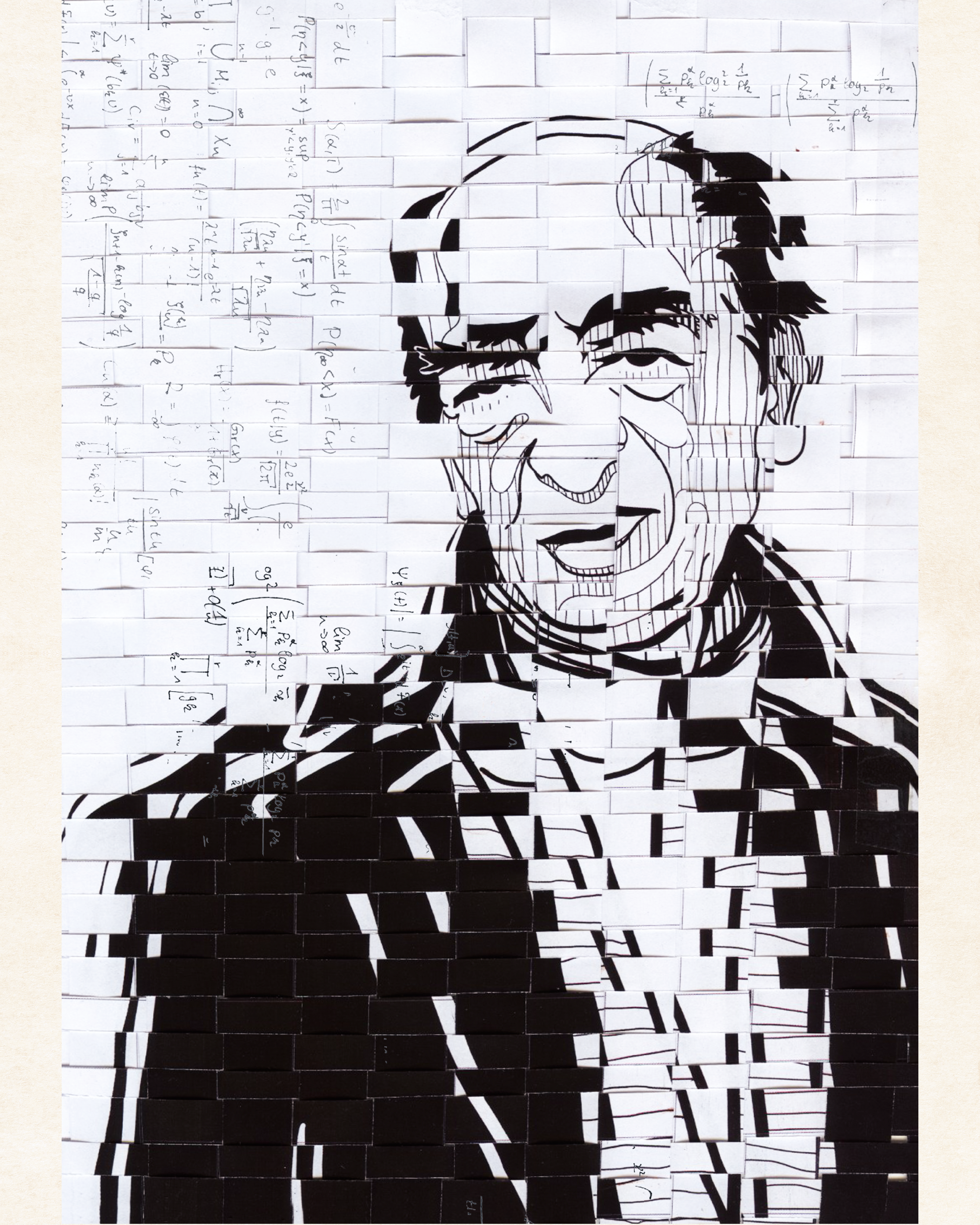
1. Leonid Hurwicz – Nobel Prize in Economics (2007)
Born in 1917, Leonid Hurwicz was a key figure in the development of mechanism design theory, a groundbreaking field in economics. His work focused on how institutions and systems can be designed to bring out the best in human behavior. Hurwicz’s early life in Poland exposed him to the political and social challenges of Eastern Europe, influencing his lifelong pursuit of economic theories that addressed societal needs. His contributions to economic theory have had far-reaching implications in fields like market design and auction theory.
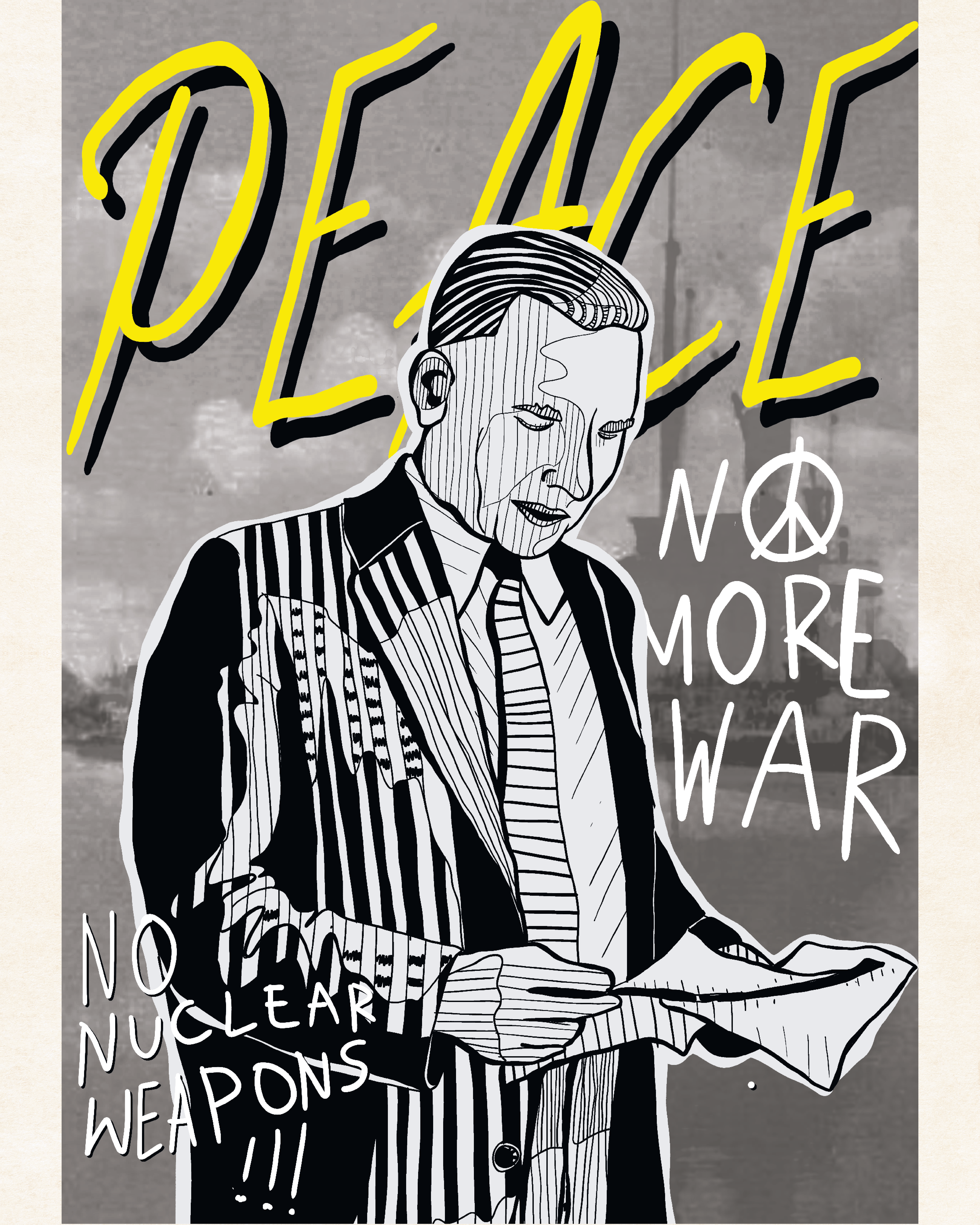
2. Józef Rotblat – Nobel Peace Prize (1995)
Born in Warsaw in 1908, Józef Rotblat was a Polish-Jewish physicist who became one of the most influential advocates for nuclear disarmament. During World War II he worked on Tube Alloys and the Manhattan Project, but left the Los Alamos Laboratory on grounds of conscience after it became clear to him in 1944 that Germany had ceased development of an atomic bomb. His decision to leave the project marked the beginning of his lifelong commitment to peace. The Nobel Peace Prize awarded to Rotblat in 1995 was shared with the Pugwash Conferences on Science and World Affairs, a forum he helped found to promote dialogue on nuclear disarmament. His commitment to a nuclear-free world was deeply informed by his early experiences growing up in Poland, a nation that had witnessed the devastating effects of war firsthand.
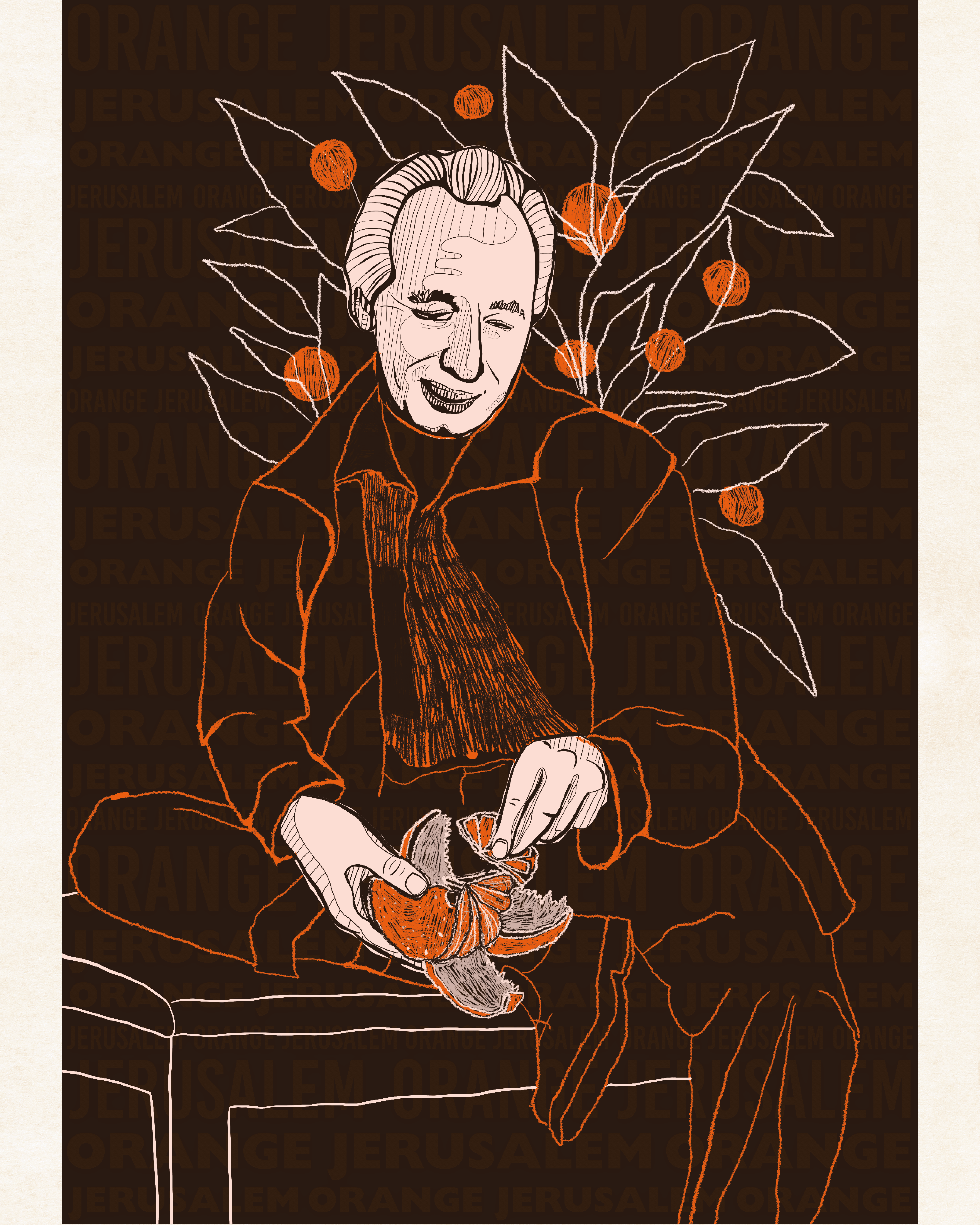
3. Shimon Peres – Nobel Peace Prize (1994)
Born in Wiszniew, Poland, in 1923, Shimon Peres was one of the most prominent political figures in Israel’s history. He served as both Prime Minister and President of Israel. Peres was awarded the Nobel Peace Prize in 1994, alongside Yasser Arafat and Yitzhak Rabin, for their efforts to create peace in the Middle East through the Oslo Accords. Marked by the loss of family members during the Holocaust, Peres’s commitment to peace and his diplomatic skills were fueled by his desire to ensure that future generations would not face the tragedies he witnessed in Poland.
4. Georges Charpak – Nobel Prize in Physics (1992)
Georges Charpak, born in Dąbrowa, Poland, in 1924, was a physicist renowned for inventing the multi-wire proportional chamber, a tool crucial for tracking subatomic particles in experiments. This invention dramatically improved the ability to detect and study elementary particles, revolutionizing both particle physics and medical imaging. Charpak’s family emigrated from Poland to France during World War II. His work helped bridge the gap between theoretical physics and real-world applications.

5. Roald Hoffmann – Nobel Prize in Chemistry (1981)
Born in Złoczów, Poland (now in Ukraine) in 1937, Roald Hoffmann survived the turmoil of WWII and the Holocaust. His family fled to the United States in 1949. A distinguished chemist, Hoffmann was awarded the Nobel Prize for his work on the theory of chemical reactions. His contributions have revolutionized the understanding of molecular structure and bonding. Hoffmann’s legacy as both a scientist and a humanist speaks to the resilience of the Jewish community in Poland and his ability to combine scientific inquiry with a deep understanding of the human condition.
As a writer, Roald Hoffmann authored five non-fiction books, three plays, and seven collects of poetry. He is a member of the Kosciuszko Foundation collegium of Eminent Scientists.
Roald Hoffmann, the only living laureate featured in the exhibition and an Honorary Trustee of the Kosciuszko Foundation, will appear on screen during the opening to deliver special remarks.
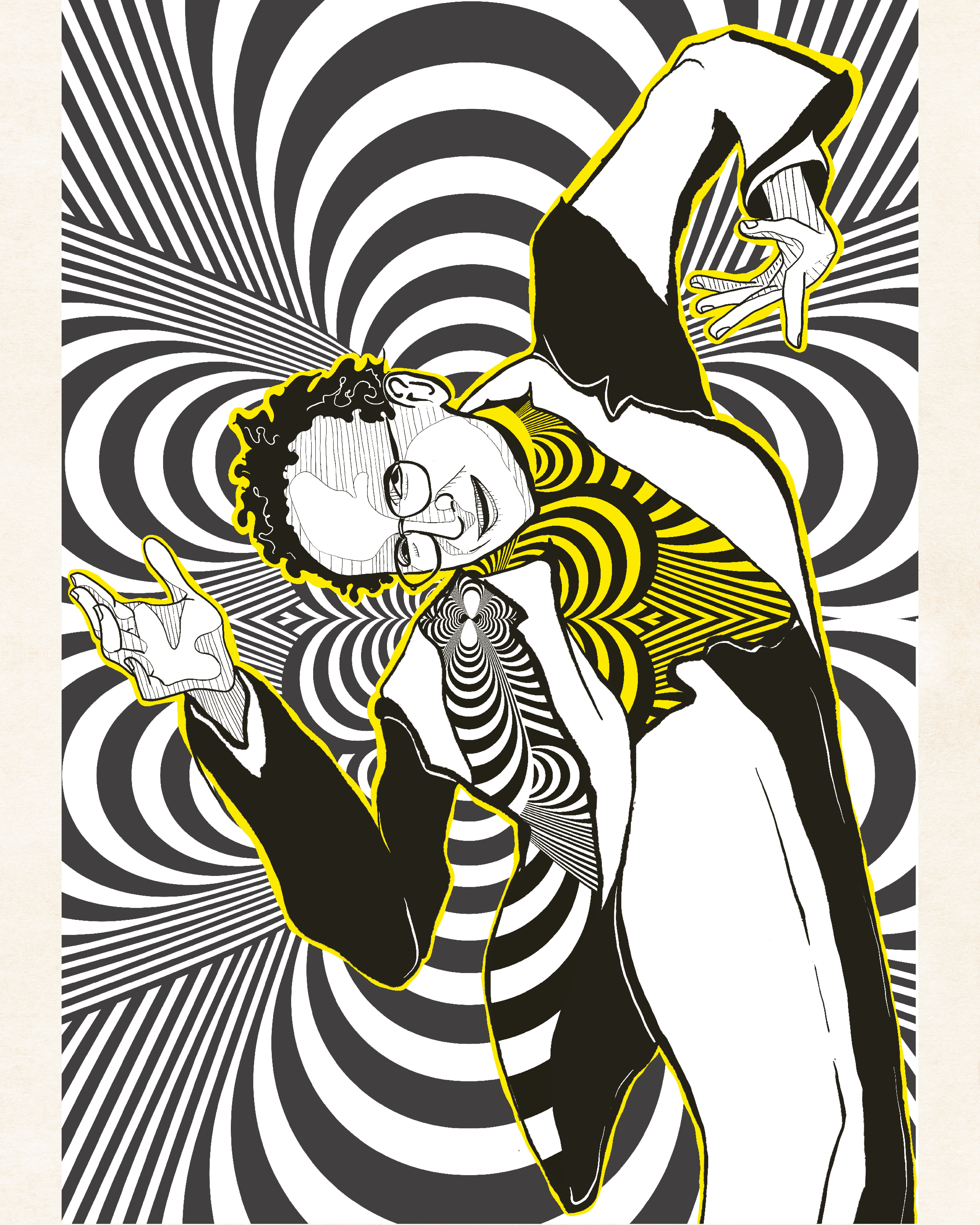
6. Isaac Bashevis Singer – Nobel Prize in Literature (1978)
Born in Leoncin, Poland, in 1902, Isaac Bashevis Singer is regarded as one of the greatest writers of the 20th century. A prominent figure in Yiddish literature, he chronicled the Jewish experience with deep compassion and philosophical insight. Singer’s early life in Poland deeply shaped his storytelling, as he lived through the tumult of World War I and the complex world of interwar Polish Jewry. His works, such as The Family Moskat and The Magician of Lublin, depict the challenges and joys of Jewish life in Poland and New York. His tales of Polish Jews, and the ethical dilemmas they faced, echo the atmosphere of the communities in which he was raised, as they explore universal themes of human existence.
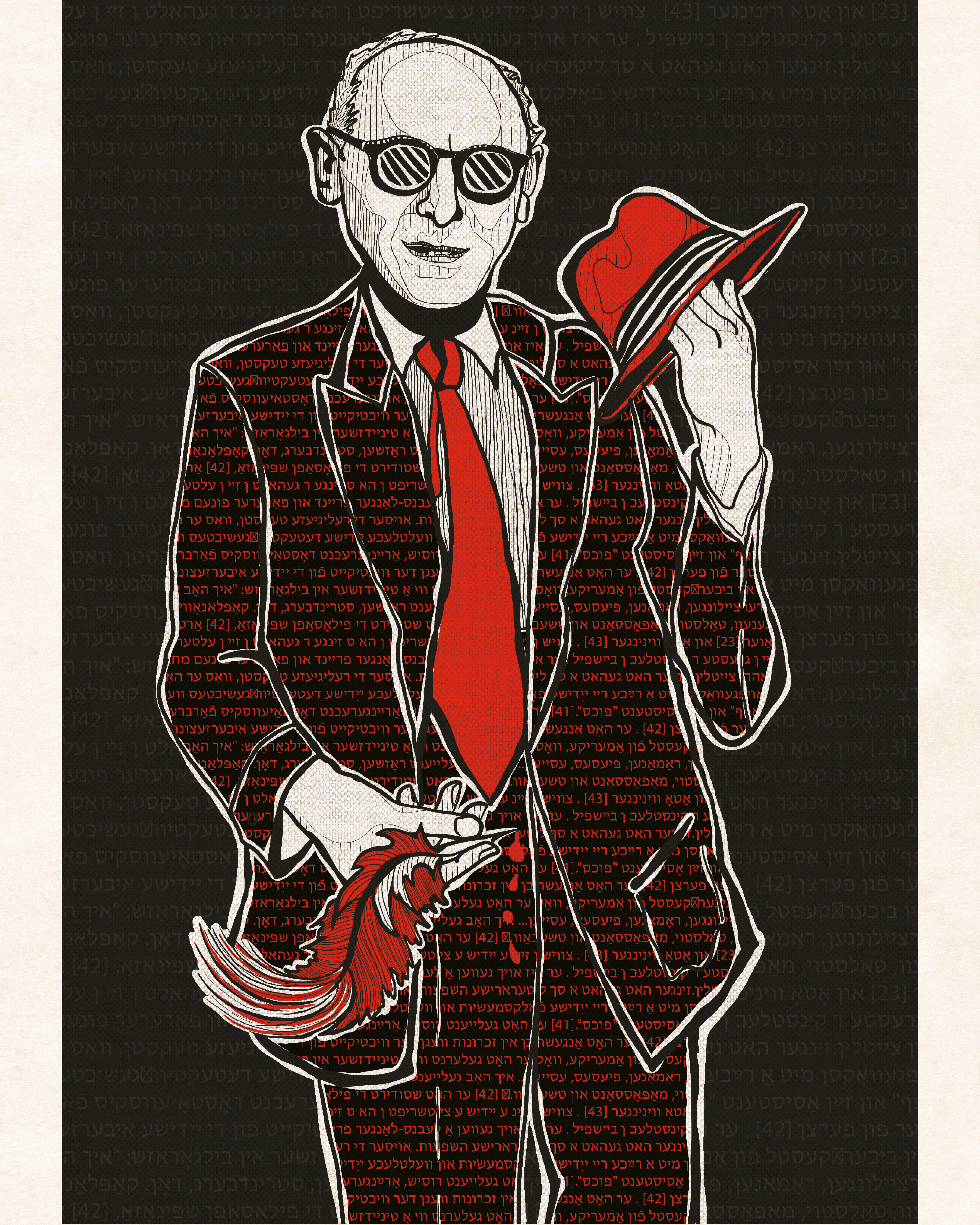
7. Menachem Begin – Nobel Peace Prize (1978)
Menachem Begin, born in 1913 in Brest-Litovsk (then Poland), was deeply influenced by his Polish-Jewish heritage. Raised in Poland during a time of rising antisemitism, Begin was driven by a strong nationalist and Zionist ideology, which shaped his leadership in the Irgun, a Jewish paramilitary group. His experiences in Poland during the Holocaust and his commitment to Jewish self-determination played a significant role in his later political career.
In 1978, Begin was awarded the Nobel Peace Prize, shared with Egyptian President Anwar Sadat, for their efforts in negotiating the Camp David Accords. The agreement led to the first peace treaty between Israel and an Arab country, with Begin’s role as a pragmatic statesman helping secure peace and recognition for Israel.

8. Andrew Schally – Nobel Prize in Physiology or Medicine (1977)
Born in Wilno (now Vilnius, Lithuania) in 1926, Andrew Schally emigrated to the United States after WWII. He was awarded the Nobel Prize for his discoveries in the field of endocrinology, specifically for his work on the structure and function of peptide hormones. Schally’s research led to significant medical advancements, particularly in cancer treatment and hormone replacement therapies. Schally’s early life in Poland’s scientific environment helped shape his lifelong dedication to advancing medical science.
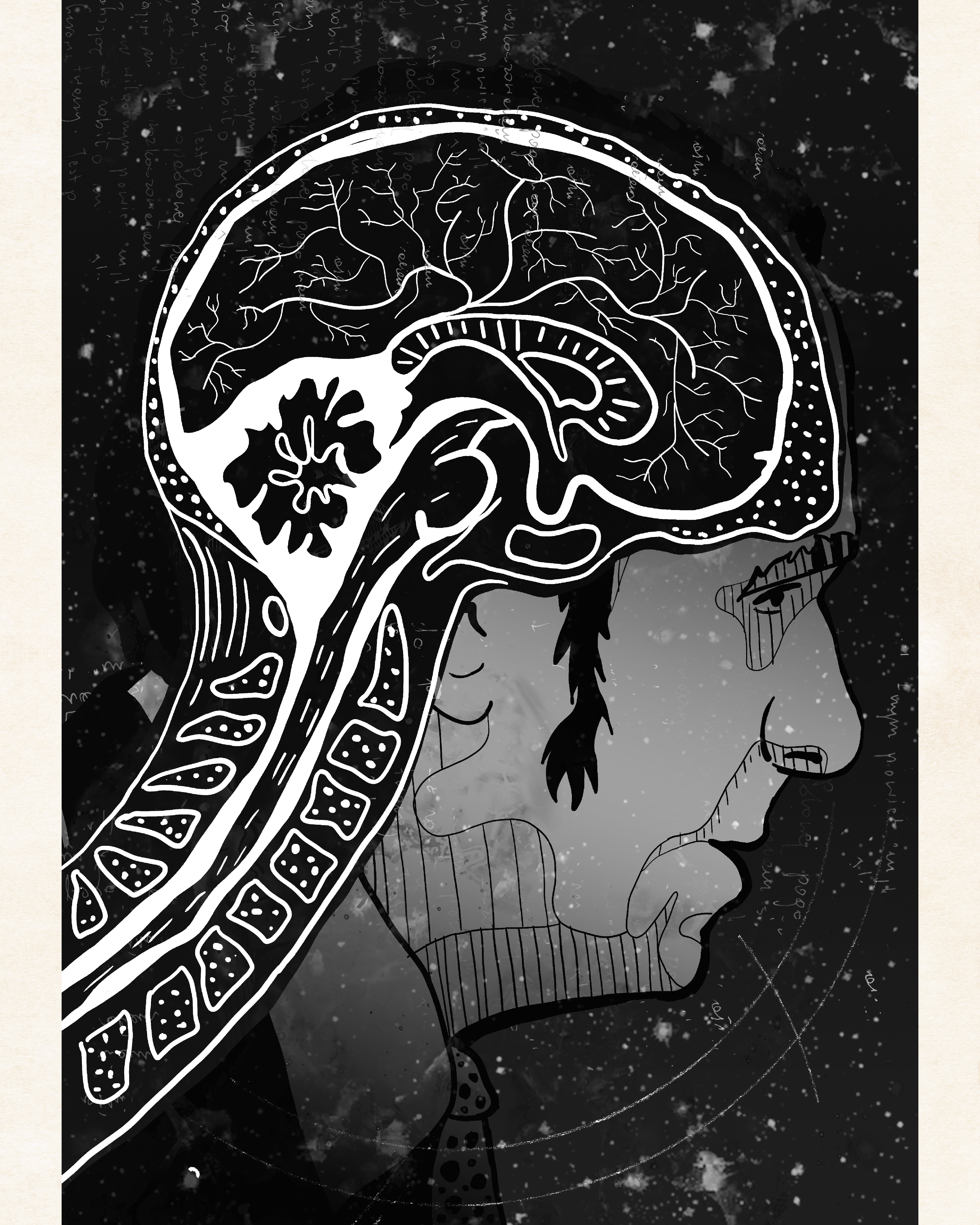
9. Tadeusz Reichstein – Nobel Prize in Physiology or Medicine (1950)
Born in Włocławek, Poland, in 1897, Tadeusz Reichstein was a prominent chemist and pharmacologist. His Nobel Prize was awarded for his work in isolating the hormone cortisone, a vital breakthrough in treating inflammatory diseases. Reichstein’s early education and training took place in Poland before he moved to Switzerland, where he made his groundbreaking discoveries. Reichstein was the longest-lived Noble laureate at the time of his death. He died at the age of 99 in Basel, Switzerland
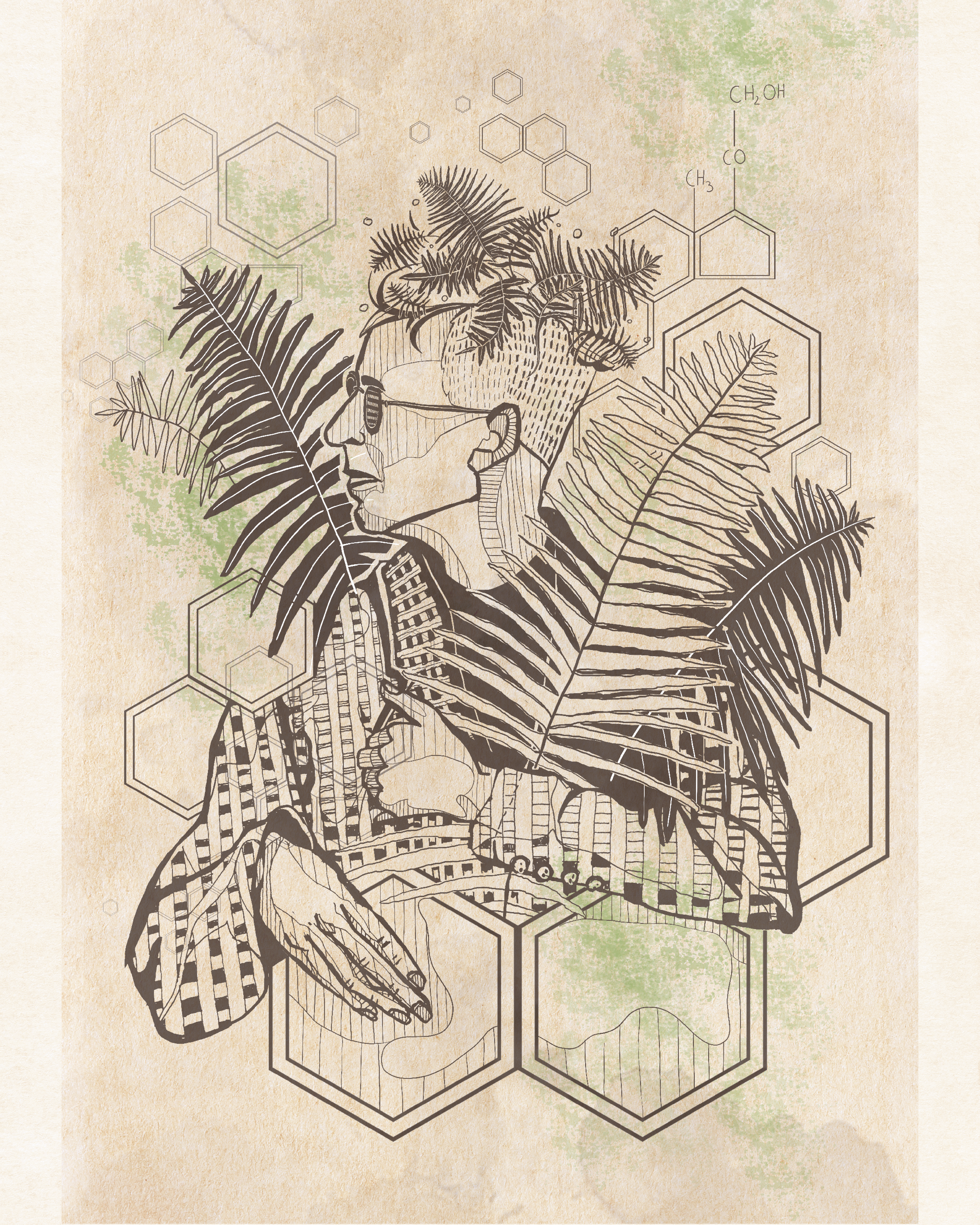
10. Isidor Rabi – Nobel Prize in Physics (1944)
Born in Lwów (now Lviv, Ukraine), part of the Polish Second Republic during his birth in 1898, Isidor Rabi was a leading physicist whose work on magnetic resonance laid the foundation for technologies used in medical imaging today. Rabi’s early education was rooted in Poland, where he attended the Lwów Polytechnic before moving to the United States. His groundbreaking work in the development of the nuclear magnetic resonance (NMR) technique revolutionized physics. His achievements were heavily influenced by the intellectual atmosphere of pre-WWII Poland, where Jewish intellectual leadership thrived despite political unrest. Rabi’s Jewish identity and Polish upbringing gave him a perspective on human conflict and the importance of scientific collaboration across borders.
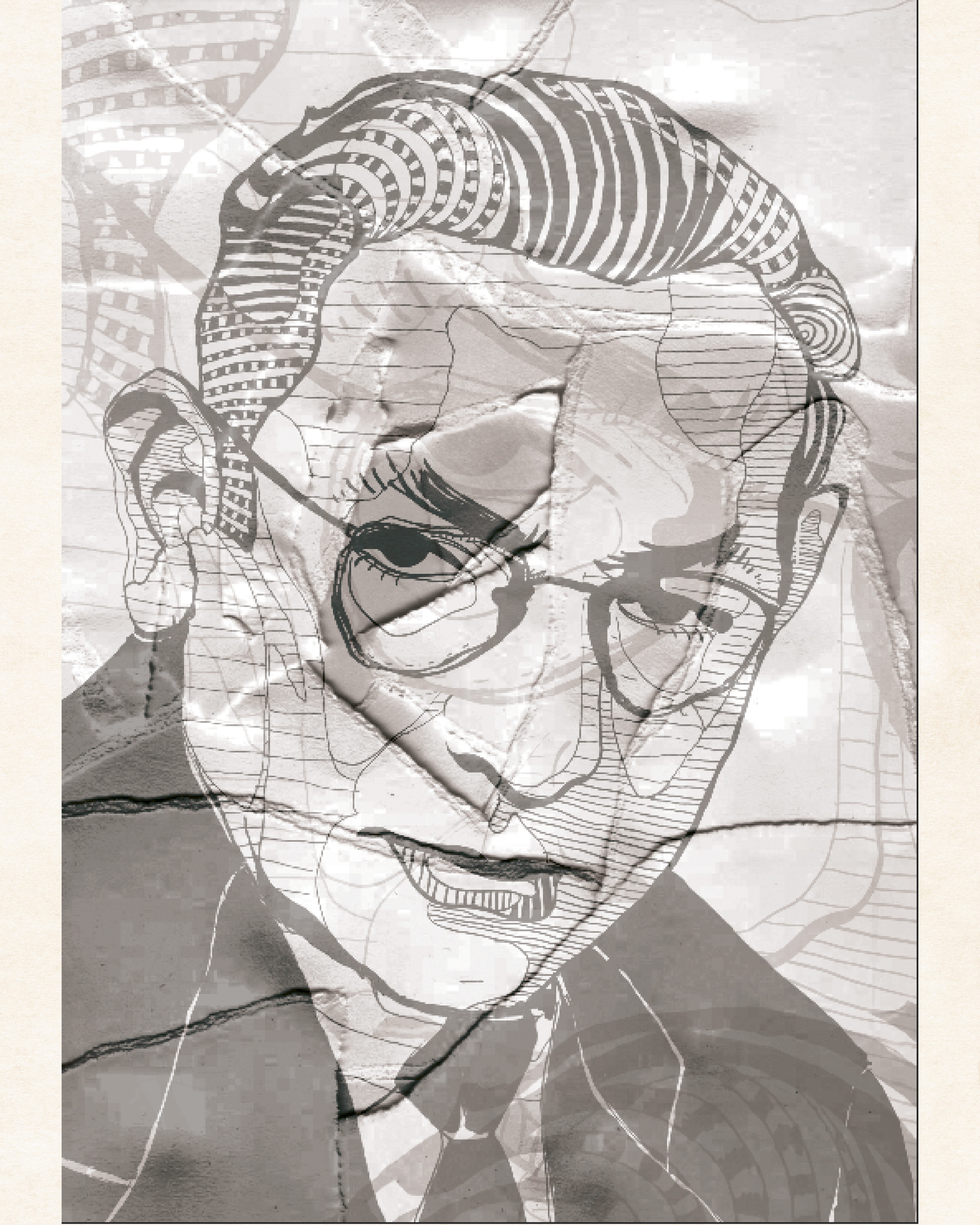
11. Henri Bergson – Nobel Prize in Literature (1927)
The Nobel Prize winner attributed the key role in the process of existence not to reason, but to the so- called vital drive. Bergson created the concept of élan vital – the driving force of evolution, which is the source of all activity of living organisms. Accord- ing to him, the world is in constant development, and human life is an uninterrupted stream of experi- ences and actions. In this dynamic reality, freedom is the highest value.

12. Albert Michelson – Nobel Prize in Physics (1907)
Born in Strelno, part of the Kingdom of Prussia (today in Poland) in 1852, Albert Michelson was the first American to win the Nobel Prize in Physics. His work on measuring the speed of light with unprecedented precision was crucial in the development of modern physics, laying the groundwork for Einstein’s theory of relativity. Though he emigrated to the U.S. as a child, Michelson’s early experiences in Polish-speaking regions influenced his cosmopolitan outlook. His studies on light and its properties marked a revolution in physics, earning him a place in history.
Please join us for this special occasion to explore the creative representations of these extraordinary figures. Each of these laureates has contributed significantly to their respective fields.
Exhibition curator: Dr. Izabela Jurczyk
Illustrator: Marta Chrobak
Visual Identity: Dr. Izabela Jurczyk, Marta Chrobak
Project Coordinator: Barbara Grünberg